 Energy Heritage
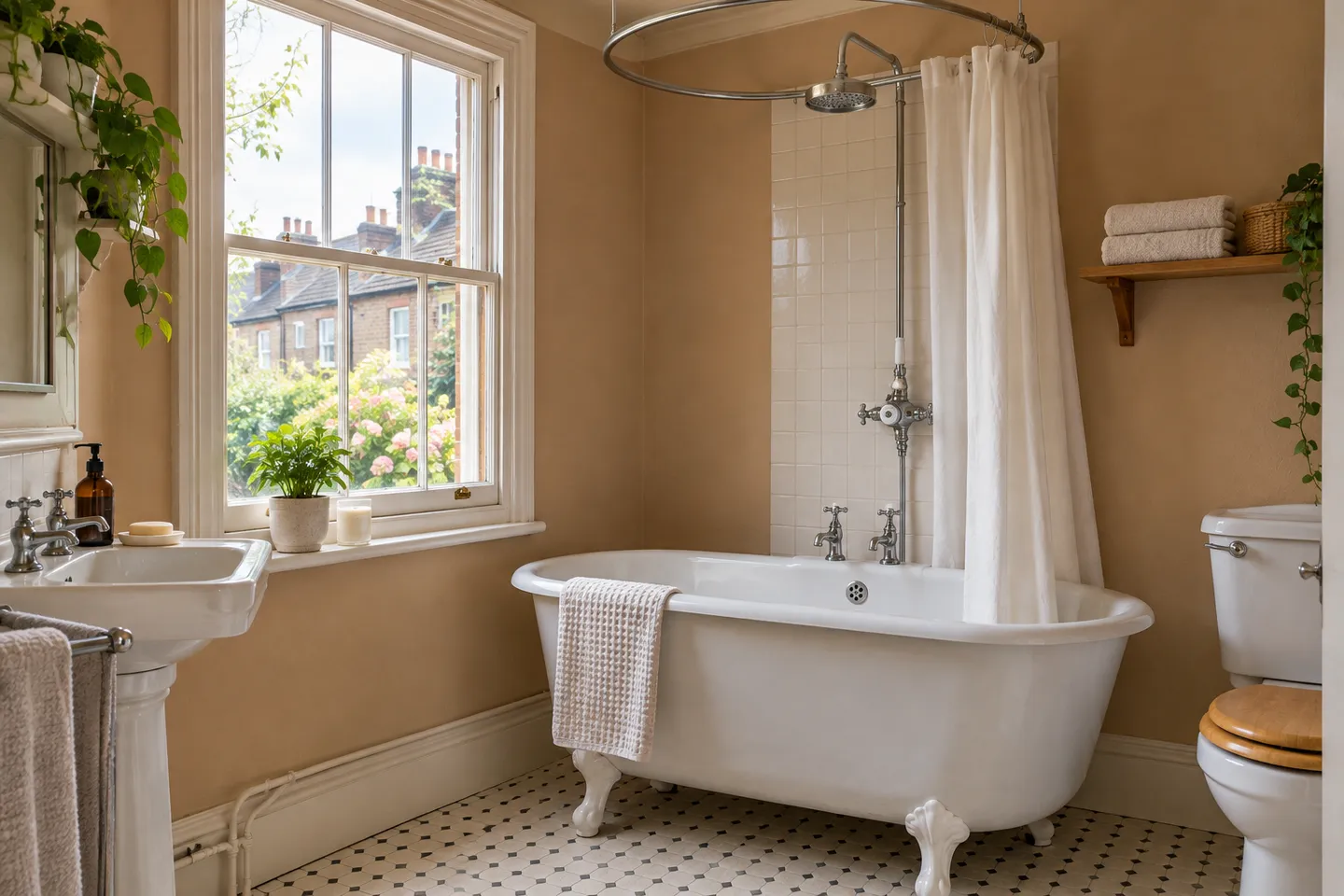
Map how hot water reaches each outlet
Write down whether you have a combination boiler, a separate cylinder, a heat-pump cylinder or another arrangement. Include any electric shower that heats its own water. Do not assume every tap and shower uses the same source. If the controls are unfamiliar, use the appliance instructions or ask a competent heating professional to explain them.
A simple list is enough: kitchen tap, bathroom taps and each shower, with the heat source beside them. Add the location of the programmer and any labelled immersion switch. Avoid opening electrical covers or experimenting with unidentified switches; this is an exercise in understanding the existing setup.
Check the schedule rather than guessing
Compare the programmed times with your household’s routine. Ask why a particular hot-water programme was chosen and whether it remains appropriate. If an immersion heater is intended as backup, establish when it operates and whether it has a timer. A lit switch or a warm cupboard alone does not tell you how much energy has been used.
Keep a short record of showers, baths, guests and changes to the schedule. Summer fuel use can offer clues when space heating is off, but other appliances and standing charges still need to be considered. Our guide to energy bills explains how to compare consumption separately from account payments.
Understand an immersion-heater example
An immersion heater rated at 3 kW uses 3 kWh if it draws full power for one hour. At an illustrative electricity price of 25p per kWh, that is 75p. If it drew full power for one hour on each of 30 days, the usage cost would be £22.50. This is a worked example, not a prediction for your cylinder.
A thermostat switches heating off when its target is reached, so the time a circuit is enabled is not necessarily the time it consumes full rated power. Use measured consumption where available and check the actual tariff. On a multi-rate supply, the time electricity is used can also affect the price paid.
Keep temperature and insulation decisions safe
Do not reduce stored-water temperature simply to make an energy experiment look better. Energy Saving Trust recommends 60°C for a conventional hot-water cylinder thermostat and notes the scalding risk at that temperature. Heat-pump systems can have their own programmed hygiene cycles: follow the manufacturer’s instructions and seek advice before changing them.
Ask a professional whether the cylinder and accessible pipework have suitable insulation and whether any improvement is appropriate for the equipment. Keep controls and required access clear. The room thermostat, boiler flow control and cylinder thermostat do different jobs; changing one without understanding the others can produce an unintended result.
Reduce waste where it occurs
Energy Saving Trust highlights that using less hot water can reduce the energy needed to heat it. Start with something you can observe, such as shower duration or a dripping hot tap. Check compatibility before fitting a water-saving showerhead, particularly with an electric shower, and follow the appliance guidance.
Choose one manageable change and record the result without sacrificing washing needs or safe operation. If several people share the home, agree the routine together so the new schedule actually works. Keep notes with the wider heating record; that will make future conversations about a replacement boiler or heat pump more useful.
Sources & further reading
Checked 16 November 2026. General guidance for UK households; building advice and permissions vary by property and location.