 Energy Heritage
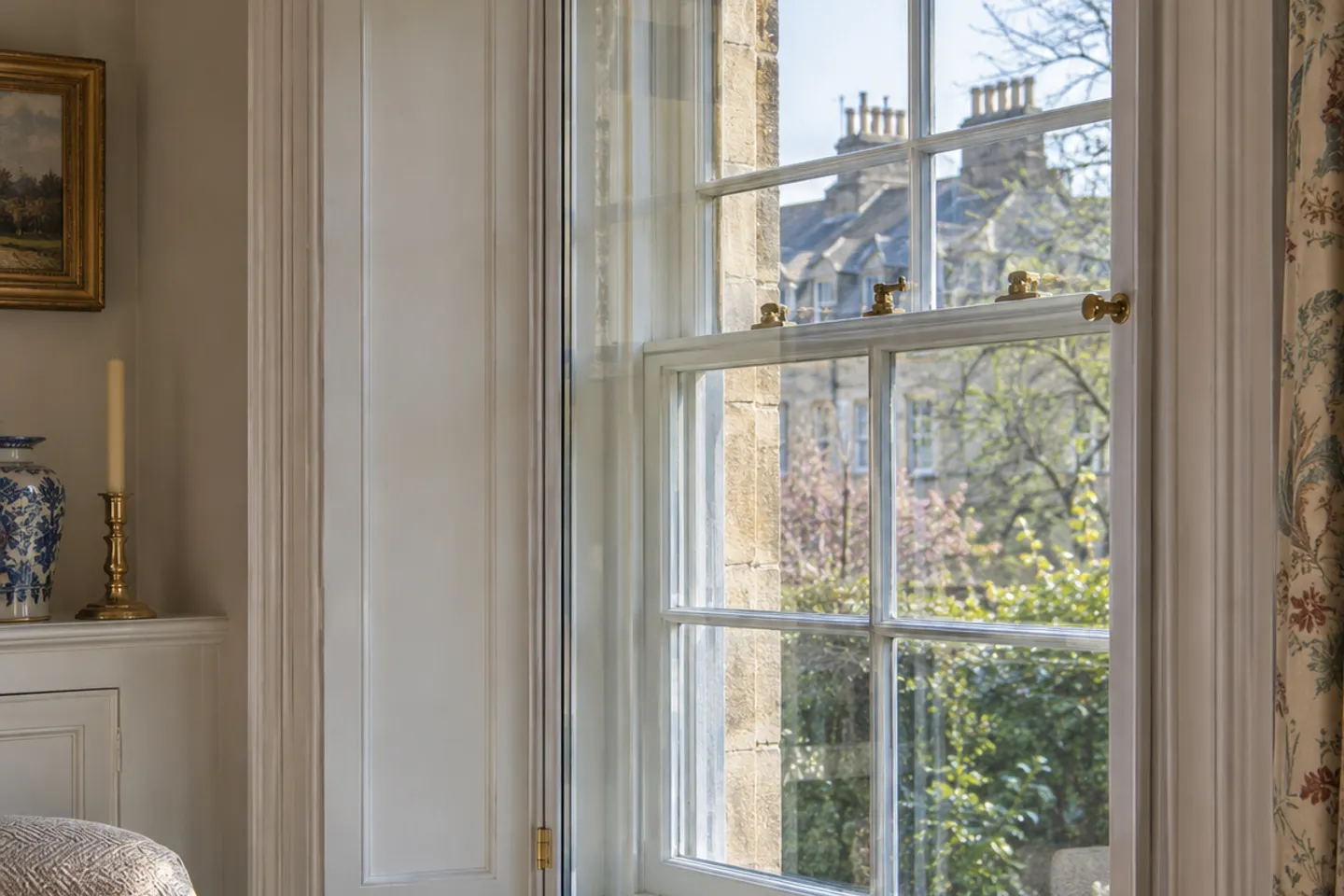
Decide which problem you want to solve
Is your main concern a draught beside the sofa, traffic noise, cold glass or a window that no longer closes properly? Make a separate note for each opening. A failing sash may need repair before an additional pane is considered. Historic England identifies repair, appropriate draught proofing and secondary glazing as options for improving traditional windows.
Record the room’s use and which windows you open regularly. A bedroom window used every morning presents a different practical requirement from a fixed stairwell light. A quote based only on the dimensions can miss the things that determine whether the finished installation is convenient to live with.
Understand the two layers
Secondary glazing is separate from the original window; it is not the same as replacing its glass with a sealed double-glazed unit. Historic England describes carefully designed secondary glazing as a way to retain original windows while reducing heat loss and air leakage. Reversibility and the treatment of historic fabric are part of the design discussion.
Ask the supplier to show the proposed frame against a photograph or measured drawing of your window. Check where the new bars sit relative to the sash meeting rail. A small sample of frame colour is useful, but it will not show how the whole window will look from across the room.
Check everyday access
Try the opening mechanism before placing an order if a demonstration is available. Ask how you will reach the sash catches, clean both sides of the inner pane and clean the original window. Where panels lift out, establish their weight and where they can be stored without damage. Do not assume that a panel manageable in a showroom will be easy above a kitchen worktop.
Include curtains, blinds, shutters and handles in the survey. Ask the installer to confirm that required ventilation and any relevant escape arrangements remain usable. These are requirements to resolve in the specification, not inconveniences to discover on fitting day.
Ask how condensation is controlled
The gap between the two glazing layers needs appropriate detailing. Historic England’s homeowner advice cautions against draught proofing the original outer window when fitting secondary glazing because of condensation risk. Ask the designer how their complete system controls air movement and moisture; avoid independently adding seals to whichever gap looks easiest to close.
If you already see water on the glass, record when and where it occurs. Share this with the installer before agreeing a solution. Condensation within the glazing gap, water on the room-facing pane and rain entering through damaged joinery are different observations. Our damp guide explains how to prepare a useful record.
Read the quote and the savings claim carefully
Request the glazing specification, opening style, installation method, making-good work and maintenance requirements for each window. Check which repairs are included and who is responsible for any required permissions. In a historic property, seek advice before committing to alterations that could affect its significance.
A quoted reduction in heat loss through a window is not the same as the percentage reduction in your whole heating bill. Walls, roofs, ventilation, heating patterns and tariffs also affect the total. Compare proposals on comfort, usability and preservation as well as predicted savings. Keep the survey and specification with your home improvement plan.
Sources & further reading
Checked 16 November 2026. General guidance for UK households; building advice and permissions vary by property and location.